Saturday, March 25, 2017

"Topper" Actor Alan Mowbray 1969 Holy Cross Cemetery


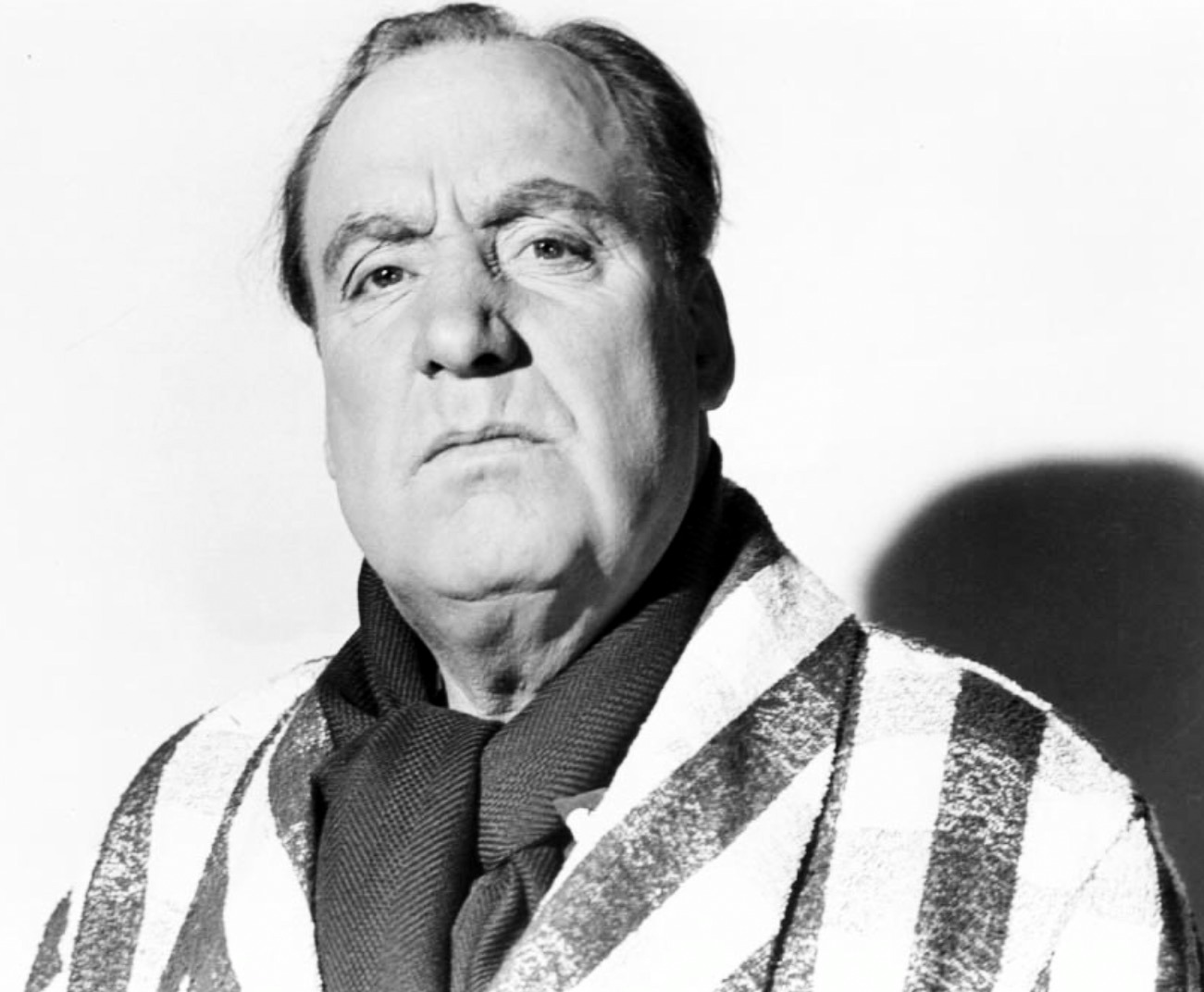
Alan Mowbray MM (born Alfred Ernest Allen; August 18, 1896 – March 25, 1969) was an English stage and film actor who found success in Hollywood.


Stan Laurel and Alan Mowbray

Career

Born Alfred Ernest Allen in London, England, he served with distinction in the British Army in the First World War, being awarded the Military Medal for bravery. He began his stage career in London in 1922, as an actor and stage manager. Mowbray applied for transfer to the Royal Air Force which was granted just six days before the war ended. This placed him in London on Armistice Day. His service came to an end when the Royal Air Force wanted another seven years out of him.[1] In 1923 he arrived in the United States[2] and was soon acting with New York stock companies. He debuted on Broadway in The Sport of Kings (1926); in 1929 he wrote, directed and starred in the unsuccessful Dinner is Served.[3]


Mowbray made his film debut in God's Gift to Women (1931) playing a butler, a role in which he was thereafter often cast. He appeared in five more pictures that year, notably portraying George Washington in Alexander Hamilton. In 1935 he played one of the male leads in Becky Sharp, the first feature-length film in full-color Technicolor, as well as playing the lead in the farcical Night Life of the Gods, based on a Thorne Smith novel. 


It was for another Thorne Smith–derived film, Topper (1937), that Mowbray may be best remembered; he played Topper's butler, Wilkins, a role he reprised the following year in Topper Takes a Trip. Throughout the 1930s and '40s Mowbray worked steadily, appearing in over 120 films.[4]


In the 1950s Mowbray's film roles decreased and he began to appear on television. He played the title role in the DuMont TV series Colonel Humphrey Flack, which first aired in 1953–54 and was revived in 1958–59. In the 1954–55 television season Mowbray played Mr. Swift, the drama coach of the character Mickey Mulligan, in NBC's short-lived situation comedy The Mickey Rooney Show: Hey, Mulligan. He continued to appear occasionally in films.[5]

In 1956 he appeared in three major films, The King and I, The Man Who Knew Too Much and was one of the many stars to make a cameo appearance in Around the World in 80 Days.[4] His final film role was as Captain Norcross in A Majority of One in 1961. 


In 1963 he returned to Broadway in the successful comedy Enter Laughing, playing David Kolowitz's unscrupulous mentor Marlowe (played by Alan Arkin).

Mowbray was a founding member of the Screen Actors Guild in 1933, writing a personal check to fund the group's incorporation and serving as the first vice-president.[3][6]


Personal life

Alan Mowbray was among the founders of the Hollywood Cricket Club.[7] He was a prominent early member of the Masquers Club[8] and donated the group's long-time clubhouse on Sycamore in Hollywood.[9]


Mowbray died of a heart attack in 1969 in Hollywood and was interred in the Holy Cross Cemetery in Culver City, California.[10]


Raymond Chandler on Mowbray

Novelist and screenwriter Raymond Chandler alludes to Mowbray's screen persona in his pulp magazine story Mandarin's Jade (1937):

"The Philip Courtney Prendergast's (sic) lived on one of those wide, curving streets where the houses seem to be too close together for their size and the amount of money they represent... the house had an English slate roof and a porte-cochère, some nice imported trees, a trellis with a bougainvillea. It was a nice place and not loud. But Beverly Hills is Beverly Hills, so the butler had wing collar and an accent like Alan Mowbray.”[11]


Partial filmography

God's Gift to Women (1931) as Auguste, Toto's Butler
The Man in Possession (1931) as Sir Charles Cartwright
Guilty Hands (1931) as Gordon Rich
Alexander Hamilton (1931) as George Washington
Leftover Ladies (1931) as Jerry
Honor of the Family (1931) as Tony Revere
Nice Women (1931) as Mark Chandler
Lovers Courageous (1932) as Lamone
The Silent Witness (1932) as Arthur Drinton
Hotel Continental (1932) as Walter Underwood
The World and the Flesh (1932) as Dimitri
Man About Town (1932) as Ivan Boris
The Man from Yesterday (1932) as Dr. Waite
Winner Take All (1932) as Forbes - the Etiquette Teacher
The Man Called Back (1932) as King's Counsel
Jewel Robbery (1932) as Detective Fritz
Two Against the World (1932) as George 'Georgie' Walton
The Phantom President (1932) as George Washington (uncredited)
Sherlock Holmes (1932) as Colonel Gore-King
Our Betters (1933) as Lord George Grayston
A Study in Scarlet (1933) as Lestrade
Peg o' My Heart (1933) as Capt. Christopher 'Chris' Brent
The Midnight Club (1933) as Arthur Bradley
Voltaire (1933) as Count De Sarnac
Berkeley Square (1933) as Major Clinton
The World Changes (1933) as Sir Phillip Ivor
Roman Scandals (1933) as Majordomo
Her Secret (1933) as Nils Norton
Long Lost Father (1934) as Sir Tony Gelding
The House of Rothschild (1934) as Prince Metternich
Where Sinners Meet (1934) as Nicholas
Little Man, What Now? (1934) as Franz Schluter
Cheaters (1934) as Paul Southern
The Girl from Missouri (1934) as Lord Douglas
One More River (1934) as Forsythe
Embarrassing Moments (1934) as Aheam
Charlie Chan in London (1934) as Geoffrey Richmond
Night Life of the Gods (1935) as Hunter Hawk
Becky Sharp (1935) as Rawdon Crawley
Lady Tubbs (1935) as Elyot Wembsleigh
The Gay Deception (1935) as Lord Clewe
She Couldn't Take It (1935) as Alan Bartlett
In Person (1935) as Jay Holmes
Rose-Marie (1936) as Premier
Muss 'em Up (1936) as Paul Harding
Give Us This Night (1936) as Forcellini
Desire (1936) as Dr. Maurice Pauquet
The Case Against Mrs. Ames (1936) as Lawrence Waterson
Fatal Lady (1936) as Uberto Malla


Mary of Scotland (1936) as Throckmorton

My Man Godfrey (1936) as Tommy Gray
Ladies in Love (1936) as Paul Sandor
Four Days' Wonder (1936) as Archibald Fenton
Rainbow on the River (1936) as Ralph Layton
On the Avenue (1937) as Frederick Sims
The King and the Chorus Girl (1937) as Donald Taylor
As Good as Married (1937) as Wally
Marry the Girl (1937) as Dr. Hayden Stryker
Topper (1937) as Wilkins
Walter Wanger's Vogues of 1938 (1937) as Henry Morgan
On Such a Night (1937) as Professor Ricardo Montrose Candle
Music for Madame (1937) as Leon Rodowsky
Stand-In (1937) as Koslofski
Hollywood Hotel (1937) as Alexander Duprey
Merrily We Live (1938) as Grosvenor - Butler
There Goes My Heart (1938) as Pennypepper E. Pennypepper
Topper Takes a Trip (1938) as Wilkins
Never Say Die (1939) as Prince Smirnov
Way Down South (1939) as Jacques Bouton
The Llano Kid (1939) as John Travers
Music in My Heart (1940) as Charles Gardner
Curtain Call (1940) as Donald Avery
Scatterbrain (1940) as J.R. Russell
The Boys from Syracuse (1940) as Angelo


The Villain Still Pursued Her (1940) as Silas Cribbs

The Quarterback (1940) as Professor Hobbs
Footlight Fever (1941) as Mr. Don Avery
That Hamilton Woman (1941) as Sir William Hamilton
That Uncertain Feeling (1941) as Dr. Vengard
The Cowboy and the Blonde (1941) as Phineas Johnson
Ice-Capades (1941) as Pete Ellis
Moon Over Her Shoulder (1941) as Grover Sloan


I Wake Up Screaming (1941) as Robin Ray

The Perfect Snob (1941) as Freddie Browning
Yokel Boy (1942) as R.B. Harris - Movie Producer
We Were Dancing (1942) as Grand Duke Basil
The Mad Martindales (1942) as Hugo Martindale
Panama Hattie (1942) as Jay Jerkins, Dick's Butler
A Yank at Eton (1942) as Mr. Duncan
Isle of Missing Men (1942) as Dr. Henry Brown
The Devil with Hitler (1942) as Gesatan
The Powers Girl (1943) as John Robert Powers
Slightly Dangerous (1943) as English Gentleman
Stage Door Canteen (1943) as Alan Mowbray
So This Is Washington (1943) as Chester W. Marshall
Holy Matrimony (1943) as Mr. Pennington
His Butler's Sister (1943) as Buzz Jenkins
The Doughgirls (1944) as Breckenridge Drake
Ever Since Venus (1944) as J. Webster Hackett
My Gal Loves Music (1944) as Rodney Spoonyer


Bring on the Girls (1945) as August

Earl Carroll Vanities (1945) as Grand Duke Paul
The Phantom of 42nd Street (1945) as Cecil Moore
Where Do We Go from Here? (1945) as General George Washington
Tell It to a Star (1945) as Colonel Ambrose Morgan
Men in Her Diary (1945) as Douglas Crane
Sunbonnet Sue (1945) as Jonathan
Terror by Night (1946) as Maj. Duncan-Bleek
Idea Girl (1946) as J.C. Crow


My Darling Clementine (1946) as Granville Thorndyke

The Pilgrim Lady (1947) as Clifford Latimer


Lured (1947) as Lyle Maxwell

Merton of the Movies (1947) as Frank Mulvaney
Captain from Castile (1947) as Prof. Botello (the astrologer)
The Main Street Kid (1948) as The Great Martine
The Prince of Thieves (1948) as The Friar
An Innocent Affair (1948) as Ken St. Clair
My Dear Secretary (1948) as Deveny (Bryant Detective Agency)
Every Girl Should Be Married (1948) as Mr. Spitzer
The Lone Wolf and His Lady (1949) as Jamison, Lanyard's Valet
The Lovable Cheat (1949) as Justin
You're My Everything (1949) as Joe Blanton
Abbott and Costello Meet the Killer, Boris Karloff (1949) as Melton


Wagon Master (1950) as Dr. A. Locksley Hall

The Jackpot (1950) as Leslie
Dick Turpin's Ride (1951) as Lord Charles Willoughby
Crosswinds (1951) as Sir Cecil Daubrey
Just Across the Street (1952) as Davis
Androcles and the Lion (1952) as Editor of Gladiators
Blackbeard the Pirate (1952) as Noll


Ma and Pa Kettle at Home (1954) as Alphonsus Mannering

The Steel Cage (1954) as Lee Filbert (segment "The Chef")
The King's Thief (1955) as Sir Gilbert Talbot
The Man Who Knew Too Much (1956) as Val Parnell
The King and I (1956) as Sir John Hay
Around the World in 80 Days (1956) as British Consul - Suez
Once Upon a Honeymoon (1956, short) as Gordon
A Majority of One (1961) as Captain Norcross

TV appearances

The Patty Duke Show, as director of the high school play in which both Patty and Cathy appear
Four Star Playhouse in Dick Powell's episode "The House Always Wins" (1955)
Whispering Smith, in "Poet and Peasant Case" episode (1960)
Maverick, in "The Misfortune Teller" episode as Luke Abigor (1960)


References

1. Wearing, J.P. (2014). The London Stage 1920–1929: A Calendar of Productions, Performers, and Personnel. Rowman & Littlefield. pp. 190–200. ISBN 978-0-8108-9302-3.
2. Moreno, Barry (2008). Ellis Island's Famous Immigrants. Arcadia. p. 98. ISBN 978-1-4396-2003-8.
3. Mank, Gregory W. (2007). Hollywood's Hellfire Club: The Misadventures of John Barrymore, W.C. Fields, Errol Flynn and the "Bundy Drive" Boys. Feral House. pp. 152–53. ISBN 978-1-932595-24-6.
4. Monush, Barry (2003). Screen World Presents the Encyclopedia of Hollywood Film Actors: From the silent era to 1965. Hal Leonard Corporation. pp. 531–32. ISBN 978-1-55783-551-2.
5. Alan Mowbray at the Internet Movie Database
6. Prindle, David F. (2012). The Politics of Glamour: Ideology and Democracy in the Screen Actors Guild. Univ of Wisconsin Press. pp. 21–22. ISBN 978-0-299-11813-6.
7. Sentance, P. David (2006). Cricket in America, 1710–2000. McFarland. p. 212. ISBN 978-0-7864-2040-7.
8. "Masquers Club". SAG–AFTRA. 
9. Dean, Paul (25 April 1985). "Unmasking Masquers: End of a Landmark?". Los Angeles Times. 
10. Brooks, Patricia; Brooks, Jonathan (2006). Laid to Rest in California: A Guide to the Cemeteries and Grave Sites of the Rich and Famous. Globe Pequot. p. 170. ISBN 978-0-7627-4101-4.
11. Chandler, Raymond T. 1937. 'Mandarin's Jade' originally published in Dime Detective Magazine, November, 1937. Republished in Raymond Chandler: Collected Stories. 2002. Everyman's Library, Alfred A. Knopf, New York, p. 667.


Friday, March 17, 2017

"L.A. Law" Actor Larry Drake 2016 Hollywood Forever Cemetery


Larry Richard Drake (February 21, 1949 – March 17, 2016) was an American actor, voice artist, and comedian best known as Benny Stulwicz in L.A. Law, Robert G. Durant in both Darkman and Darkman II: The Return of Durant and the voice of Pops in Johnny Bravo.


Early life

Larry Richard Drake was born in Tulsa, Oklahoma on February 21, 1949, the son of Raymond John Drake, a drafting engineer for an oil company, and Lorraine Ruth (née Burns), a homemaker.[1][2] He graduated from Tulsa Edison High School and the University of Oklahoma.[3]


Career

Drake is mostly remembered for his portrayal of developmentally disabled Benny Stulwicz in L.A. Law, from 1987 until the show's end in 1994, for which he won two consecutive Primetime Emmy Awards (1988, 1989).[4][5][6][7] He returned to the role of Benny in L.A. Law: The Movie, a "reunion movie" that aired on NBC in 2002.[8]


He appeared in numerous film and television roles, including Time Quest, Dark Asylum, Paranoid, Bean, Overnight Delivery, The Beast, The Journey of August King, Murder in New Hampshire, 


Dr. Giggles,[9] 


Darkman,[10] Darkman II: The Return of Durant,[11] 


American Pie 2,[12] and 


Dark Night of the Scarecrow. 

He was a regular on Prey.[13] Drake provided the voice Pops in Johnny Bravo. In 2007, he co-starred in Gryphon, a Sci-Fi Pictures original film.


Personal life

Drake was married from 1989 to 1991 to Ruth de Sosa. The couple had no children.[14][15]


Death

On March 17, 2016, Drake was found dead in his Los Angeles home at the age of 67. Drake's manager, Steven Siebert, reported that the actor had some health problems in the months before his death.[16] It was later reported that Drake suffered from a rare form of blood cancer that caused his blood to thicken. Other causes, such as hypertension and morbid obesity, led to his cardiac arrest.[17]


Larry Drake is interred at Hollywood Forever Cemetery. 


References

1. "Larry Drake profile". FilmReference.com.
2.Lorraine Ruth Burns Drake (1924–2002) at Find a Grave
3. Davis, Chuck (May 8, 1988). "L.A. Law Actor Turns One Scene Into Regular Character on Show". The Oklahoman.
4. Haithman, Diane (November 3, 1988). "Larry Drake of L.A. Law Goes Mainstream". Los Angeles Times.
5. O'Connor, John J. (October 17, 1991). "Review/Television; On 'L.A. Law', New Faces but the Same Nasty Edge". The New York Times.
6. "Review/Television; Life on 'L.A. Law' Grows Ever Odder". The New York Times. May 18, 1989.
7. Selby, Holly (September 24, 1990). "Larry Drake's portrayal of Benny shatters stereotypes of the retarded". The Baltimore Sun.
8. King, Susan (May 12, 2002). "Together Again". Los Angeles Times.
9. Canby, Vincent (October 24, 1992). "Movie Review: Dr Giggles". The New York Times.
10. James, Caryn (August 24, 1990). "Movie Review –With Brains and Skin, Another Cloaked Avenger Fights Evil". The New York Times.
11. "Darkman-II-The-Return-of-Durant". The New York Times.
12. "American Pie 2 (2001)".
13. "Humanoids Make Scientists Paranoids". The New York Times. January 15, 1998.
14. Notice of death of Larry Drake, variety.com
15. Mcphate, Mike (March 18, 2016). "Larry Drake, Lovable Clerk on 'L.A. Law', Dies at 67". The New York Times. ISSN 0362-4331.
16. McPhate, Mike (March 18, 2016). "Larry Drake, Lovable Clerk on 'L.A. Law', Dies at 67". The New York Times. p. A21.
17. 'L.A. Law' Star Larry Drake Rare Blood Cancer Led to Death, tmz.com


"Creature from the Black Lagoon" Director Jack Arnold 1992 Westwood Village Cemetery


Jack Arnold (October 14, 1912 – March 17, 1992) was an American actor and film and television director, best known as one of the leading filmmakers of 1950s science fiction films. His most notable films are It Came from Outer Space (1953), Creature from the Black Lagoon (1954), Tarantula (1955), and The Incredible Shrinking Man (1957).


Early years

Jack Arnold was born on a kitchen table in New Haven, Connecticut, to Russian immigrant parents.[3]:53 As a child he read a lot of science fiction, which laid the foundations for his genre films of the 1950s.

He hoped to become a professional actor and in his late teens he enrolled in the American Academy of Dramatic Arts, where his classmates included Hume Cronyn, Betty Field and Garson Kanin. After graduating he worked as a vaudeville dancer and in 1935 began getting roles in Broadway plays. He was acting in My Sister Eileen when the Japanese attacked Pearl Harbor, and he immediately enlisted as a cadet for pilot training.[3]:53

While Arnold intended to become a pilot, a shortage of planes meant he was temporarily placed in the Signal Corps, where he took a crash course in cinematography. He then became a cameraman and learned the techniques of filmmaking by assisting Robert Flaherty on various military films.[4] After eight months with Flaherty he became a pilot in the Air Corps.[3]:53 While stationed at Truax Airfield at New Rochelle, New York, he met Betty, who would later become his wife.


Career

At the war's end and Arnold's term of service ended, he formed a partnership with an air squadron buddy Lee Goodman to form a film production company. Their new company, called Promotional Films Company, made fundraising films for various non-profit organizations. He also continued acting on stage during this period, in plays including a revival of The Front Page, and played opposite Bela Lugosi and Elaine Stritch in Three Indelicate Ladies.[3]:54

"Jack Arnold dominated the science fiction field during his brief career. No imprint lingers so indelibly on the face of modern fantasy film as that of this obscure yet brilliant artist. All his films, no matter how tawdry, were marked with a brilliant personal vision. He exists as an éminence grise on the horizon of fantasy film, inscrutable, mysterious, almost impossible both to analyse and to ignore."

John Baxter, filmmaker and author[5]

By 1950, after his documentary films had received more exposure, he was commissioned to produce and direct With These Hands, a documentary about working conditions of the early 20th century. It was nominated for an Academy Award for Best Documentary Feature.[6]


Arnold directed a number of 1950's science fiction films. The best known of these, It Came from Outer Space (1953), Creature from the Black Lagoon (1954), Tarantula (1955), and The Incredible Shrinking Man (1957) are noted for their atmospheric black-and-white cinematography and sophisticated scripts. The Incredible Shrinking Man is considered his "masterpiece," a fantasy film with few equals in intelligence and sophistication, notes author John Baxter. While all the films display a "sheer virtuosity of style and clarity of vision."[5]


Arnold's main collaborator at Universal Studios was producer William Alland.[7] Revenge of the Creature (1955) was Clint Eastwood's debut film.

He later worked as the director of The Mouse That Roared (1959), in which Peter Sellers played three roles, one of them in drag.

Arnold began his television career in 1955 with several episodes of Science Fiction Theater. He went on to direct the long-running television series Perry Mason and Peter Gunn. He also directed episodes of such television shows as Nanny and the Professor, Alias Smith and Jones, The Fall Guy, The Brady Bunch, Gilligan's Island, Wonder Woman, Ellery Queen, Mr. Terrific, Mr. Lucky, and The San Pedro Beach Bums, as well as the TV movie Marilyn: The Untold Story (1980).


Arnold died of arteriosclerosis in Woodland Hills, Los Angeles, California at the age of 75. Later that year, the UCLA Film Archive held a tribute "Jack Arnold: The Incredible Thinking Man" film festival which screened a number of his films. The Archive also produced and screened a bio-documentary about his life, The Incredible Thinking Man.[8][9]


Jack Arnold's ashes were spread in the rose garden at Westwood Village Cemetery, Los Angeles, California. 


Awards and nominations

Year Result Award Category Film or series

1951 Nominated Academy Award Best Documentary, Features With These Hands Shared with Lee Goodman

1985 Won Academy of Science Fiction, Fantasy and Horror Films President's Award


References

1. Susan Arnold, IMDB
2. audio: "Legends of Film: Producer Susan Arnold", Nashville Public Library, June 15, 2009
3. Fischer, Dennis. Science Fiction Film Directors, 1895-1998, McFarland and Co. (2000)
4. Starlog #3 Jack Arnold Interview
5. Baxter, John. Science Fiction in the Cinema, Paperback Library (1970) p. 115
6. Crowther, Bosley. "'With These Hands,' Film About Garment Workers' Union, Is Shown of Gotham"], New York Times, June 16, 1950
7. Warren, Bill; Thomas, Bill. Keep Watching the Skies!: American Science Fiction Movies of the Fifties, McFarland (2010) ebook
8. "His Creatures Walk Among Us : UCLA pays tribute to director Jack Arnold, 'The Incredible Thinking Man.'", Los Angeles Times, Oct. 30, 1997
9. "Jack Arnold remembered for knack on, off screen", UCLA Daily Bruin, Oct. 30, 1997


Further reading

Osteried, Peter: Die Filme von Jack Arnold. MPW, Hille 2012. ISBN 978-3-942621-11-3 (German)
Reemes, Dana M.: Directed by Jack Arnold. McFarland and Company, Jefferson 1988. ISBN 0-89950-331-4
Schnelle, Frank et alii (ed.): Hollywood Professional: Jack Arnold und seine Filme. Fischer-Wiedleroither, Stuttgart 1993. ISBN 3-924098-05-0 (German)

Sunday, March 12, 2017

"Rio Bravo" Actress Estelita Rodriguez 1966 San Fernando Mission Cemetery


Estelita Rodriguez (July 2, 1928 – March 12, 1966) was a Cuban actress best known for her roles in many Roy Rogers Republic westerns, and her role in Howard Hawks' western classic Rio Bravo.[1]


Early life and career

Rodriguez's career began in 1942 when she won a contract with MGM at the age of 14. She continued to go to MGM school in preparation to make a movie. However, MGM dropped her at the last minute, and Rodriguez traveled back to New York until 1945 when she signed a 5- picture deal with Republic.


Her first movie was Along the Navajo Trail. Though it made her career take a better turn, Rodriguez did not enjoy making the movie, reportedly saying "Everyone treats me like a kid. I am a mother." 


Soon after this, she starred with western favorites Roy Rogers and Dale Evans in Twilight in the Sierras in 1950 and In Old Amarillo with Rogers.


She concluded her career with Republic in 1952, and her last film was 1966's Jesse James Meets Frankenstein's Daughter.


In 1959, she appeared in Rio Bravo with John Wayne, Dean Martin, Ricky Nelson, Angie Dickinson, and Walter Brennan.


Personal life and death

During the days of her early career, Rodriguez married Mexican singer Chu-Chu Martinez.[2] They had one child together, Nina (1946). They divorced in 1947.

In January 1953, Rodriguez married actor Grant Withers, an ex-husband of Loretta Young. John Wayne served as the best man at the wedding. They divorced in 1955.

Her third marriage was to Ismael Alfonso Halfss in 1956. They divorced in 1960.

Her fourth and final marriage was to Dr. Ricardo A. Pego in 1961. They remained married until her death.

On March 12, 1966, Estelita M. Pego was found dead on the kitchen floor of her North Hollywood, Van Nuys, California, home, at age 37. The cause of death was not made public. Some sources gave influenza as the cause of death.


She is interred at San Fernando Mission Cemetery, Mission Hills, California.


Filmography

Along the Navajo Trail (1945)
Mexicana (1945)
On the Old Spanish Trail (1947)


The Gay Ranchero (1948)


Old Los Angeles (1948)


Susanna Pass (1949)

The Golden Stallion (1949)
Belle of Old Mexico (1950)


Federal Agent at Large (1950)

Twilight in the Sierras (1950)


Sunset in the West (1950)


Hit Parade of 1951 (1950)


California Passage (1950)

In Old Amarillo (1951)


Cuban Fireball (1951)


Havana Rose (1951)


Pals of the Golden West (1951)


The Fabulous Senorita (1952)


Tropical Heat Wave (1952)


South Pacific Trail (1952)

Sweethearts on Parade (1953)


Tropic Zone (1953)

Rio Bravo (1959)
Jesse James Meets Frankenstein's Daughter (1966)


References

1. Boggs, Johnny D. (2011). Jesse James and the Movies. McFarland. p. 188. ISBN 978-0-7864-4788-6.
2. The date of their marriage is unknown at this time.